

Can Influenza Symptoms Cause Chest Discomfort?
Influenza can cause chest discomfort due to persistent coughing, respiratory inflammation, or irritation of the muscles surrounding the chest. In some cases, chest pain or tightness may indicate a more serious complication that requires medical attention. At Universal Primary Care in Bakersfield, CA, our team provides personalized medical evaluations to identify possible causes of chest discomfort, assess respiratory symptoms, and recommend appropriate care. Our goal is to help patients recognize warning signs, manage influenza symptoms, and protect their respiratory health. Persistent or severe chest pain, especially with breathing difficulties, requires immediate medical attention. For more information, contact us today or book an appointment. We are conveniently located at 2734 Ming Ave, Bakersfield, CA 93304.
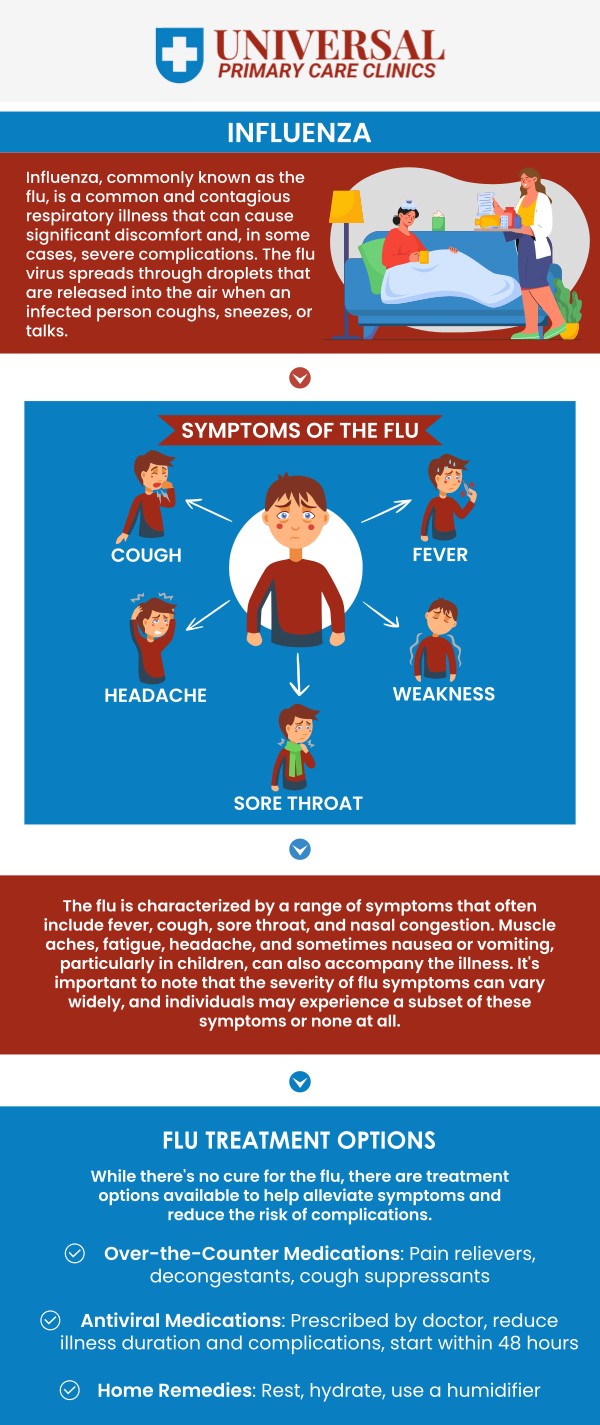
Table of Contents:
Why do influenza symptoms sometimes cause chest discomfort or tightness?
How can you tell if chest discomfort from influenza symptoms is becoming serious?
Can persistent coughing from influenza symptoms lead to chest pain?
What complications may cause chest discomfort during an influenza infection?
When should you seek medical attention for influenza symptoms accompanied by chest discomfort?
How does Universal Primary Care (Ming) evaluate and manage influenza symptoms with chest discomfort in Bakersfield, CA?
Influenza is a respiratory infection that can cause chest discomfort or tightness when the airways become irritated and inflamed. As the body responds to the infection, frequent coughing and respiratory congestion may create pressure or soreness in the chest. Some individuals may also experience discomfort when taking deep breaths or performing everyday activities.
Chest tightness may also develop when influenza aggravates an existing respiratory condition, such as asthma. Inflammation in the breathing passages can make airflow more difficult, contributing to a sensation of heaviness or restriction in the chest. Although mild muscle soreness may occur with coughing, unexplained or persistent chest tightness should not be dismissed as a routine flu symptom.
At Universal Primary Care (Ming) in Bakersfield, CA, our team evaluates influenza symptoms and associated respiratory concerns to identify possible causes of chest discomfort. We focus on appropriate examinations, early recognition of complications, and personalized medical guidance to support respiratory health.
Chest discomfort associated with influenza may become concerning when the pain intensifies, persists, or occurs alongside breathing difficulties. Warning signs include chest pressure, shortness of breath, dizziness, unusual weakness, or discomfort that worsens with breathing. These symptoms may indicate a complication beyond the typical muscle soreness caused by coughing.
Another important warning sign is the return or worsening of respiratory symptoms after an initial period of improvement. Chest discomfort accompanied by renewed fever, worsening cough, or increasing breathlessness may suggest pneumonia or another respiratory complication. Persistent chest pain or pressure, severe breathing difficulty, fainting, or confusion requires immediate emergency medical evaluation. These symptoms should not be managed by waiting for a routine appointment.
Our team helps patients understand which influenza symptoms require further evaluation. We provide assessments for nonemergency concerns, reviews symptom progression, and recommends appropriate testing or additional medical care when necessary.
Persistent coughing is a common influenza symptom that can contribute to chest pain by repeatedly straining the muscles between the ribs and surrounding the chest wall. Each coughing episode causes these muscles to contract, and frequent coughing may lead to tenderness, soreness, or discomfort. The pain may become more noticeable when coughing, laughing, twisting, or taking deep breaths.
Influenza-related coughing can also irritate the respiratory passages, creating a burning or uncomfortable sensation in the chest. In some cases, chest wall inflammation or muscle strain may continue even after other influenza symptoms begin improving. However, chest pain should not automatically be attributed to coughing, particularly when accompanied by breathlessness, persistent pressure, or worsening illness.
Our team evaluates persistent coughing and associated chest discomfort to determine whether symptoms are consistent with muscle strain or require further medical investigation. We offer individualized recommendations based on the patient’s symptoms, respiratory health, and examination findings.
Influenza can occasionally lead to complications involving the lungs, airways, or heart. Pneumonia is one important complication that may cause chest discomfort, fever, worsening cough, and difficulty breathing. Influenza may also trigger inflammation of the bronchial passages or worsen existing respiratory conditions, resulting in wheezing, chest tightness, or reduced breathing comfort.
Less commonly, influenza may be associated with myocarditis, an inflammation of the heart muscle, or pericarditis, which affects the tissue surrounding the heart. These conditions can cause chest pain, shortness of breath, palpitations, or unusual fatigue. Because the symptoms of respiratory and cardiac complications can overlap, identifying the underlying cause is important. New or unexplained chest pain, especially with breathing difficulties, warrants urgent evaluation.
Our team considers possible influenza-related complications when assessing patients with respiratory symptoms and chest discomfort. We use medical history, physical examinations, and appropriate diagnostic recommendations to help determine whether additional treatment or specialized evaluation is needed.
Medical attention is important when influenza symptoms are accompanied by new, persistent, or worsening chest discomfort. Individuals experiencing prolonged coughing, increasing respiratory congestion, or discomfort during normal breathing should receive an appropriate evaluation. Patients with existing asthma, heart disease, or other chronic health conditions may need earlier assessment because influenza can increase the risk of complications.
Certain symptoms require immediate emergency care rather than a routine clinic visit. These include persistent chest pain or pressure, significant shortness of breath, fainting, confusion, or blue or gray discoloration of the lips or skin. Sudden chest pain should not be assumed to be caused by influenza, since serious heart or lung conditions can produce similar symptoms. Prompt evaluation helps avoid delays in identifying potentially dangerous complications.
Our team provides medical evaluations for patients experiencing nonemergency influenza symptoms and respiratory discomfort. We focus on reviewing symptoms, identifying potential risk factors, and recommending suitable care or further evaluation to support recovery.
Evaluating influenza symptoms accompanied by chest discomfort begins with understanding the patient’s medical history, symptom severity, and respiratory health. Our team reviews when the discomfort started, whether it is associated with coughing or breathing, and whether symptoms have improved or worsened over time. We also consider existing conditions that may increase the likelihood of respiratory complications.
During the assessment, our team may check vital signs, measure oxygen saturation, and examine the lungs for unusual breathing sounds. Depending on the findings, additional testing may be recommended to investigate possible influenza-related complications. Management is based on the suspected cause and severity of symptoms, with emphasis on appropriate care, symptom monitoring, and recognizing when emergency or specialized evaluation is necessary.
At Universal Primary Care (Ming) in Bakersfield, CA, our team is committed to providing individualized medical care for patients experiencing influenza symptoms and related chest discomfort. Our team emphasizes careful clinical assessment, clear communication, and practical recommendations to help patients understand their condition and receive appropriate medical support throughout recovery. For more information, contact us today or book an appointment. We are conveniently located at 2734 Ming Ave, Bakersfield, CA 93304. We proudly serve patients from Bakersfield, Sagepointe, Wible Orchard, Rexland Acres, Gosford, Potomac Park, Hillcrest, Campus Park, Bridle Creek, and surrounding communities.
Check Out Our 5 Star Reviews



Additional Services You May Need
▸ Annual Physical Exam
▸ COVID-19 Testing
▸ Chronic Disease Management
▸ Vaccinations
▸ STD Testing
▸ Primary Care
▸ Influenza (Flu)
▸ Common Cold
▸ Asthma
▸ Medical Weight Loss
▸ Diabetes
▸ School Physicals Exam
▸ Sports Physicals
▸ EKG
▸ Geriatric Care
▸ View All Services


 Send Text
 How May I Help You?