

Can Influenza Symptoms Change as the Illness Progresses?
Influenza symptoms can shift as the illness progresses, often beginning with fever, chills, fatigue, body aches, or headache before respiratory concerns become more noticeable. Some individuals may later develop increased coughing, congestion, weakness, or reduced appetite as their immune system responds to the infection. At Universal Primary Care, our team helps patients understand changing flu symptoms, identify warning signs, and determine when a medical evaluation may be appropriate. We also assess symptoms that become more severe, return after improvement, or continue longer than expected. Early medical guidance can support symptom management and help address possible flu-related complications. For more information, contact us today or book an appointment. We are conveniently located at 8325 Brimhall Rd, Bakersfield, CA 93312.
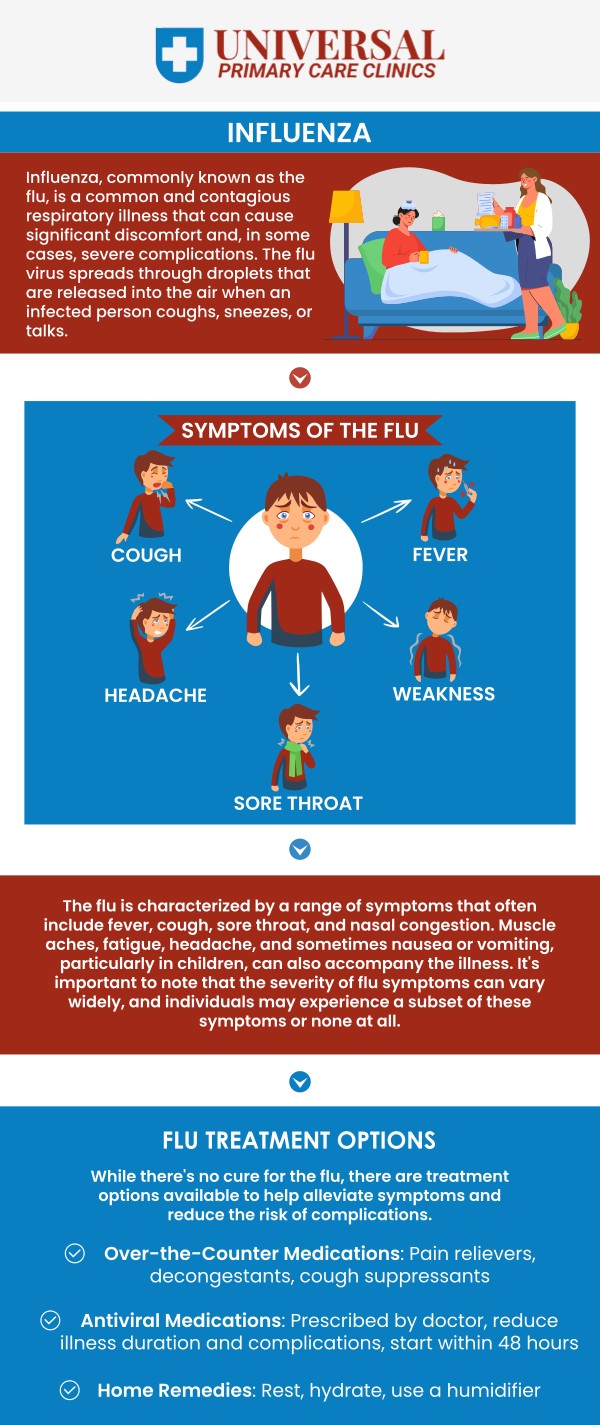
Table of Contents:
What are the early signs of influenza?
Can influenza symptoms become more severe after several days?
How do influenza symptoms typically change during recovery?
Can influenza cause new symptoms as the illness progresses?
When do worsening influenza symptoms require medical attention?
How does our team evaluate changing influenza symptoms at Brimhall Primary Care Center?
Influenza often begins suddenly rather than developing gradually. Early signs may include fever or chills, headache, muscle aches, unusual tiredness, weakness, a dry cough, or a sore throat. However, not everyone with influenza develops a fever.
Some people may also experience a stuffy or runny nose as the infection develops. Vomiting or diarrhea can occur, although these digestive symptoms are more common among children than adults. Symptoms can vary according to age, immune response, and existing health conditions.
At Universal Primary Care, our team reviews when symptoms began, how quickly they appeared, their severity, and whether the individual has risk factors for complications. This evaluation can help distinguish suspected influenza from other respiratory illnesses and guide appropriate care.
Influenza symptoms are often strongest during the first several days, but the course of illness is different for each person. Fever, coughing, body aches, fatigue, and weakness may temporarily become more noticeable while the immune system responds to the virus.
Symptoms that steadily intensify, return after an initial improvement, or include a worsening cough may indicate that the illness requires further evaluation. Influenza can occasionally contribute to complications, especially among older adults, young children, pregnant individuals, and people with certain chronic conditions.
At Universal Primary Care, our team evaluates the pattern of symptom changes, breathing concerns, hydration, temperature, medical history, and overall condition. Patients should seek timely medical guidance when symptoms become unexpectedly severe or fail to follow a typical recovery pattern.
During recovery, fever, chills, headaches, and body aches often begin to ease first. Energy and appetite may gradually return, although the pace of improvement can vary based on age, general health, and the severity of the infection.
Most uncomplicated influenza symptoms improve within approximately three to seven days. However, coughing, tiredness, or a general feeling of weakness may continue for more than two weeks, particularly among older adults or individuals with chronic lung conditions.
At Universal Primary Care, our team can assess lingering symptoms and determine whether recovery appears to be progressing appropriately. Medical evaluation may be helpful when fatigue remains severe, coughing worsens, fever returns, or new concerns develop after improvement.
Yes, the symptoms experienced at the beginning of influenza may not remain the same throughout the illness. A person may initially notice fever, chills, headache, and body aches before coughing, nasal congestion, sore throat, or reduced appetite becomes more prominent.
Children may also develop nausea, vomiting, or diarrhea alongside respiratory symptoms. Older or medically vulnerable individuals may experience less typical changes, such as reduced appetite, behavioral changes, or confusion, rather than a clear fever.
At Universal Primary Care, our team considers whether new symptoms fit the expected course of influenza or suggest another respiratory infection or complication. A medical assessment is especially important when new symptoms are severe, unusual, or accompanied by significant breathing difficulty.
Medical attention should be sought when symptoms become severe, persist longer than expected, or improve and then return with greater intensity. People at higher risk for influenza complications should contact us early, even when their initial symptoms seem manageable.
Emergency warning signs may include difficulty breathing, persistent chest or abdominal pressure, confusion, seizures, severe weakness, dehydration, or an inability to remain alert. A fever or cough that improves and then returns or worsens also requires prompt attention.
At Universal Primary Care, our team can evaluate worsening symptoms and recommend the appropriate level of care based on their severity and the patient’s health history. Anyone experiencing a medical emergency should seek immediate emergency care rather than waiting for a routine appointment.
An influenza evaluation generally begins with a review of when the illness started, which symptoms appeared first, and how those symptoms have changed. Details about fever, coughing, breathing, hydration, fatigue, appetite, and recent exposure to illness can provide important clinical context.
The examination may include checking temperature and other vital signs, listening to the lungs, examining the throat, and assessing hydration and overall alertness. Age, pregnancy, chronic medical conditions, immune status, and the severity of symptoms may also influence care recommendations.
At Brimhall Primary Care Center, our team evaluates changing influenza symptoms to identify warning signs and determine appropriate next steps. Our team may discuss symptom management, further testing when clinically appropriate, treatment considerations, and whether follow-up or a higher level of care is needed. For more information, contact us today or book an appointment. We are conveniently located at 8325 Brimhall Rd, Bakersfield, CA 93312. We serve patients from Bakersfield CA, Maltha CA, Kayandee CA, Panama CA, Arvin CA, Fairfax CA, Rosedale CA, and surrounding areas.
Check Out Our 5 Star Reviews



Additional Services You May Need
▸ Annual Physical Exam
▸ COVID-19 Testing
▸ Chronic Disease Management
▸ Vaccinations
▸ STD Testing
▸ Primary Care
▸ Influenza (Flu)
▸ Common Cold
▸ Asthma
▸ Medical Weight Loss
▸ Diabetes
▸ School Physicals Exam
▸ Sports Physicals
▸ EKG
▸ Geriatric Care
▸ View All Services


 Send Text
 How May I Help You?